Welcome to the fascinating world of sleep, where one size definitely does not fit all. Have you ever wondered why some people leap out of bed at dawn, full of energy, while others struggle to open their eyes before noon, only to find their creative spark ignites late at night? It’s not just about willpower or habit; it’s often about your unique biological blueprint, known as your chronotype.
Understanding your chronotype is like unlocking a secret code to your body’s natural rhythms. It’s your innate preference for when you sleep and wake, when you feel most alert, and when you’re naturally inclined to wind down. Far from being a mere preference, your chronotype is deeply rooted in your genetics and influenced by your internal biological clock, or circadian rhythm. When you align your daily activities with your natural chronotype, you can experience profound improvements in your sleep quality, energy levels, mood, and overall productivity.
For years, society has largely operated on a "one-size-fits-all" sleep schedule, often favoring early risers. This can leave many individuals feeling perpetually out of sync, battling their natural inclinations and suffering from chronic fatigue or feeling misunderstood. But what if you could identify your intrinsic sleep pattern and learn to work with it, rather than against it?
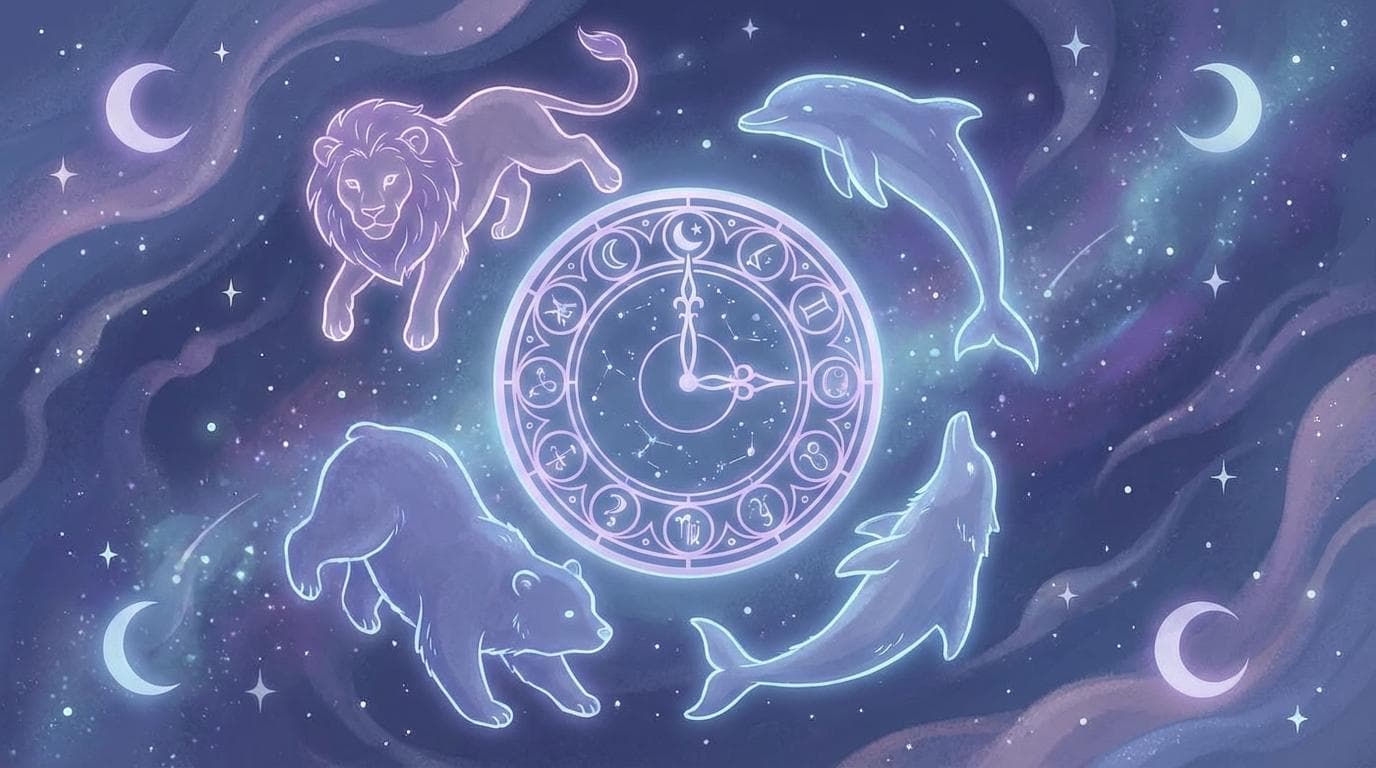
This article will delve into the concept of chronotypes, exploring the science behind why we sleep the way we do, and introduce you to the four distinct sleep types identified by renowned sleep expert Dr. Michael Breus: the Bear, the Lion, the Wolf, and the Dolphin. By the end, you’ll have a clearer understanding of which chronotype you might be and how this knowledge can revolutionize your approach to sleep and daily life.
The Science Behind Your Sleep Clock: Understanding Chronotypes
At the heart of your chronotype lies your circadian rhythm, a sophisticated internal clock that regulates a wide array of biological processes over roughly a 24-hour cycle. This rhythm dictates when you feel sleepy, when you’re most alert, and even influences your metabolism and hormone release. While environmental factors like light exposure play a significant role in synchronizing your circadian rhythm with the external world, your chronotype is largely determined by your genetics.
Think of your chronotype as the individual expression of your circadian rhythm. Some people have a circadian rhythm that naturally runs a bit shorter, making them early birds, while others have a longer rhythm, leading them to be night owls. This isn't a choice; it's a genetic predisposition, much like eye color or height.
It's important to distinguish chronotype from sleep disorders like insomnia or simply being sleep-deprived. Your chronotype describes your natural preference for sleep and wake times when you’re well-rested and free from external constraints. Fighting against your natural chronotype — for example, a natural night owl forcing themselves to wake at 5 AM every day — can lead to what’s often called "social jet lag," where your internal clock is constantly out of sync with your social and work schedule. This can have serious consequences for your health, mood, and cognitive function.
Understanding your chronotype empowers you to design a lifestyle that respects your body’s natural inclinations, leading to more restorative sleep and more productive waking hours.
The 4 Sleep Archetypes: Which One Are You?
Dr. Michael Breus, a clinical psychologist and sleep specialist, developed a popular framework that categorizes individuals into four distinct chronotypes, using animal archetypes to make them memorable and relatable. These aren’t rigid boxes, but rather helpful guides to understand your unique sleep patterns and optimize your daily routine.
The Bear Chronotype: The Social Sleeper
Characteristics: The Bear chronotype is the most common, encompassing about 50-55% of the population. Bears typically follow the solar cycle, meaning they wake with the sun and feel sleepy as it sets. They generally require a full 7-9 hours of sleep to feel refreshed. Bears are often described as easygoing, friendly, and adaptable, thriving on routine and consistency.
Sleep Pattern: Bears tend to wake up without too much difficulty around 7-8 AM, feeling moderately alert. Their energy levels build through the morning, peaking in the late morning to early afternoon. They might experience a slight dip in energy or "afternoon slump" around 2-4 PM, before regaining some vitality in the early evening. They naturally start to feel sleepy around 10-11 PM.
Peak Productivity: For Bears, the sweet spot for focused work and high productivity is typically between 10 AM and 2 PM. This is when their cognitive functions are at their sharpest, and they can tackle complex tasks with efficiency.
Challenges: While Bears are well-suited to the traditional 9-to-5 workday, they can struggle if their schedule deviates too much from the natural light cycle. Early mornings (before 7 AM) can feel like a drag, and late nights can leave them feeling groggy and unrefreshed. The afternoon slump can also be a challenge, sometimes leading to reliance on caffeine or sugary snacks.
Tips for Bears:
- Embrace Natural Light: Wake up with natural light or use a light therapy lamp to signal to your body that it's morning.
- Consistent Sleep Schedule: Stick to a regular bedtime and wake-up time, even on weekends, to reinforce your circadian rhythm.
- Strategic Napping: If you experience an afternoon slump, a short 20-minute power nap in the early afternoon can be incredibly rejuvenating, but avoid napping too late.
- Balanced Meals: Eat regular, balanced meals to maintain steady energy levels and prevent drastic blood sugar dips that can exacerbate the afternoon slump.
- Morning Exercise: A moderate workout in the morning can boost energy and improve sleep quality at night.
The Lion Chronotype: The Early Bird
Characteristics: Lions are the early risers, making up about 15-20% of the population. They are the go-getters, often waking before dawn with abundant energy and a strong drive to get things done. Lions are typically optimistic, proactive, and analytical, thriving on structure and achievement.
Sleep Pattern: Lions naturally wake up very early, often between 5-6 AM, feeling immediately alert and ready to tackle the day. Their energy levels are highest in the morning, and they achieve their most productive work before many others have even had their first cup of coffee. By early evening, typically around 5-6 PM, they start to feel their energy wane and become sleepy relatively early, often ready for bed by 9-10 PM.
Peak Productivity: The golden hours for Lions are the early morning, from roughly 6 AM to 12 PM. This is when their focus is sharpest, and they can accomplish an impressive amount before lunch.
Challenges: While Lions are well-adapted to early work schedules, their biggest challenge can be social. Their early bedtime can conflict with evening social events or family time, leading to feelings of isolation or having to push their natural sleep times, which can result in fatigue the next day. They can also feel misunderstood by later-rising chronotypes.
Tips for Lions:
- Maximize Your Mornings: Schedule your most important and demanding tasks for your peak productivity window.
- Plan Your Evening Wind-Down: Create a consistent evening routine that starts early. Dim lights, avoid screens, and engage in relaxing activities like reading or a warm bath to help your body transition to sleep.
- Communicate Your Needs: Let friends and family know about your natural sleep schedule to manage expectations for evening activities.
- Avoid Late Caffeine: Even though you might be tired in the evening, resist the urge for late-day caffeine, as it will disrupt your early bedtime.
- Prioritize Light Exercise: Early morning exercise can further enhance your natural energy surge and contribute to better sleep.
The Wolf Chronotype: The Night Owl
Characteristics: Wolves are the quintessential night owls, comprising about 15-20% of the population. They feel most awake and productive when the rest of the world is winding down. Wolves are often creative, intuitive, and introverted, thriving in quiet, late-night environments.
Sleep Pattern: Wolves typically struggle with early mornings, often feeling groggy and disoriented if forced to wake before 8-9 AM. Their energy levels gradually increase throughout the day, reaching their peak in the late evening and often extending into the early hours of the morning. They naturally feel sleepy around midnight or later, often not falling asleep until 1-2 AM.
Peak Productivity: The most productive hours for Wolves are typically from 6 PM to midnight (or even later). This is when their minds are most active, and they can focus on complex tasks, creative endeavors, or deep work without interruption.
Challenges: The biggest hurdle for Wolves is navigating a world largely designed for earlier chronotypes. Traditional work schedules, school times, and social norms often force Wolves into "social jet lag," where they are constantly fighting their natural rhythm. This can lead to chronic sleep deprivation, fatigue, mood swings, and feelings of being out of sync.
Tips for Wolves:
- Strategic Light Exposure: Use bright light in the morning (even if you wake late) to help reset your circadian rhythm. Conversely, dim lights in the evening to prepare for sleep.
- Create a Dark Sleep Sanctuary: Ensure your bedroom is as dark as possible, especially if you sleep past sunrise. Blackout curtains are a Wolf's best friend.
- Schedule Late-Day Exercise: If you enjoy working out, an evening session can help you burn off energy and prepare for sleep, but avoid intense exercise right before bed.
- Advocate for Flexible Work: If possible, seek jobs or roles that offer flexible hours or allow for a later start time.
- Embrace Your Peak Hours: Plan your most demanding or creative tasks for your natural peak productivity window.
The Dolphin Chronotype: The Light Sleeper
Characteristics: Dolphins are the most unique and least common chronotype, making up about 10% of the population. They are typically light sleepers, often described as insomniacs or having highly irregular sleep patterns. Dolphins are often intelligent, cautious, and prone to anxiety, with a mind that struggles to switch off.
Sleep Pattern: Dolphins often have difficulty falling asleep and staying asleep. Their sleep is frequently fragmented and not deeply restorative. They may wake up multiple times throughout the night and rarely feel truly refreshed upon waking. They don't have a strong, consistent sleep-wake preference like the other chronotypes, often feeling tired but wired. Their energy levels can fluctuate wildly throughout the day, with occasional bursts of productivity.
Peak Productivity: Due to their irregular sleep, Dolphins' peak productivity can be inconsistent. However, when they are able to get some decent sleep, they often find a period of relative alertness and focus in the mid-morning to early afternoon, typically between 10 AM and 5 PM.
Challenges: The primary challenge for Dolphins is insomnia and anxiety. Their racing minds make it difficult to wind down, and they are highly sensitive to disruptions like noise or light. This leads to chronic fatigue, irritability, and a constant struggle to maintain a consistent sleep schedule. They often feel like they are "fighting" sleep rather than embracing it.
Tips for Dolphins:
- Strict Sleep Hygiene: This is paramount for Dolphins. Maintain a consistent bedtime and wake-up time as much as possible, even if sleep feels elusive.
- Stress Management Techniques: Incorporate daily practices
Discover Your Sleep Chronotype
Take our free quiz to find your unique sleep chronotype and get a personalized 8-week program to optimize your sleep and energy.
Take the Free Quiz →More Articles
Social Jetlag: Why Your Weekend Sleep Habits Are Ruining Your Monday
Social jetlag disrupts your circadian rhythm every weekend. Learn how inconsistent sleep timing affects metabolism, mood, and long-term health by chronotype.
The Best Time to Nap Based on Your Chronotype
Discover the best time to nap based on your chronotype. Learn how Lions, Bears, Wolves, and Dolphins should time 20 vs 90-minute naps for maximum alertness.
How Much Sleep Do You Actually Need? (It Depends on Your Chronotype)
Discover how much sleep you actually need based on your chronotype. Bears, lions, wolves, and dolphins each have different optimal sleep durations.