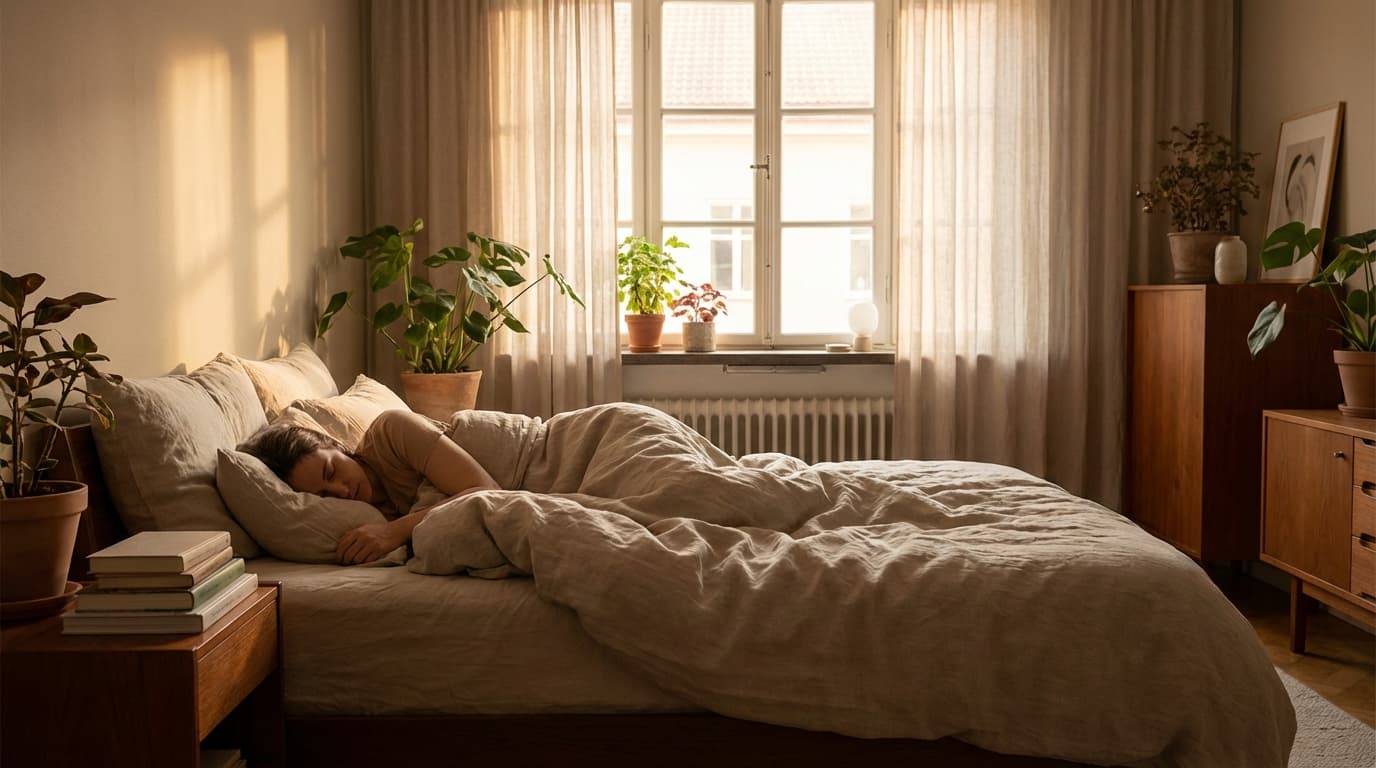
The best time to nap is not the same for everyone — and that is not just a matter of personal preference. Your chronotype, the biological clock that governs when you naturally feel alert and sleepy, plays a central role in determining when a nap will restore your energy and when it will leave you groggy, grumpy, and staring at the ceiling at 2 a.m. Understanding your chronotype nap time can be the difference between a nap that sharpens your afternoon and one that sabotages your night.
Circadian biology research has firmly established that sleep pressure and alertness follow predictable rhythmic patterns across a 24-hour cycle. Napping works best when it is timed to align with the natural dip in your alertness curve — and that dip falls at different clock hours depending on whether you are a Lion, Bear, Wolf, or Dolphin. [Take the free quiz](/quiz) to discover your chronotype before reading ahead — the recommendations that follow are most useful when you know which archetype fits your biology.
Why the Alertness Trough Matters for Nap Timing
Your body temperature and alertness are closely linked. Around the midpoint of your sleep period, core body temperature reaches its lowest point. Roughly 12 hours later — which for most people lands somewhere in the early-to-mid afternoon — there is a secondary dip. This post-lunch valley in alertness is not caused by eating. It is a built-in feature of human circadian architecture, documented across cultures where lunch is minimal or skipped entirely.
This midday trough is the biological sweet spot for napping. Napping within or just before this window means your body is already leaning toward sleep, making it easier to fall asleep quickly and reducing the chance of carrying over into deeper sleep stages that cause grogginess. The closer your nap aligns with this window, the more restorative it tends to be with the least disruption to your nighttime sleep.
The problem is that the trough does not fall at the same clock time for everyone. Lions, who wake early and front-load their alertness in the morning, tend to hit their trough earlier — often between 12:30 and 1:30 p.m. Bears, whose schedule roughly tracks the solar day, typically experience their dip between 1:00 and 3:00 p.m. Wolves, who are wired to stay up late and wake later, may not feel their alertness drop until 2:30 or even 4:00 p.m. Dolphins, whose sleep is chronically fragmented, may feel the trough at almost any point in the day, though early-to-mid afternoon is most common.
Power Naps vs. Full Sleep Cycles: The 20-Minute and 90-Minute Options
Not all naps are created equal. Nap duration determines which sleep stages you enter, and that dramatically shapes how you feel on waking. The two most widely researched durations are the 20-minute power nap and the 90-minute full-cycle nap, and understanding their differences helps you choose the right tool for the moment.
A 20-minute nap — sometimes called a stage 2 nap or a power nap — keeps you in light sleep (N1 and N2). You get restoration of alertness, improved reaction time, and a reset of working memory without entering slow-wave (deep) sleep. Because you wake before reaching N3, you avoid sleep inertia, the heavy fog that follows waking from deep sleep. NASA research on pilots and astronauts found that a 26-minute nap improved performance by 34 percent and alertness by 100 percent. For most people managing a busy workday, the 20-minute nap is the most practical and reliable option for optimal nap duration.
A 90-minute nap completes roughly one full sleep cycle, passing through N1, N2, N3, and REM sleep before the cycle ends and sleep naturally lightens again. Waking at the end of a full cycle means you surface from light sleep, reducing grogginess. The 90-minute nap supports emotional memory consolidation, creative insight, and motor learning in ways the short power nap cannot match. It is more useful when you are in significant sleep debt, recovering from illness, or preparing for an extended period of wakefulness — a long overnight flight, a night shift, or an intensive exam period. The tradeoff is time and the risk of drifting into a second cycle if you sleep past the 90-minute mark.
A nap of 30 to 60 minutes, paradoxically, tends to be the worst option for most people. This duration is long enough to pull you into deep sleep but short enough that you are likely to wake mid-cycle, producing significant sleep inertia that can take 30 minutes or more to clear. Unless you have the luxury of a two-hour sleep window and strong sleep debt, it is generally better to commit to either 20 minutes or a full 90.
The Best Time to Nap by Chronotype
Understanding where your alertness trough falls allows you to schedule your nap for maximum effect. Here is how power nap timing breaks down by archetype.
Lions are early risers who are fully alert before most people have had their first coffee. Their circadian alertness peaks in the morning and begins declining earlier in the day. The best time to nap for Lions is typically between noon and 1:30 p.m. A 20-minute nap in this window catches the front edge of the alertness dip and allows Lions to recover enough afternoon energy to carry through their early evening, which tends to be when they start flagging socially even if their work is done. Lions who nap later than 2:00 p.m. often report difficulty falling asleep at their natural bedtime of 9:30 to 10:30 p.m.
Bears follow the most common human pattern, with an alertness trough that reliably falls in the early-to-mid afternoon. A 20-minute nap between 1:00 and 3:00 p.m. works well for most Bears. If Bears are carrying significant sleep debt — which is common given that the standard 9-to-5 schedule often cuts into Bear sleep needs — a 90-minute nap on a weekend afternoon can meaningfully reduce accumulated deficit, though it should still end before 4:00 p.m. to preserve nighttime sleep pressure.
Dolphins present a more complex picture. Because Dolphins have hyperaroused nervous systems that resist both falling asleep and staying asleep, their relationship with napping is complicated. A short, well-timed 20-minute nap during the early afternoon can reduce their cortisol load and improve afternoon cognition. However, Dolphins need to be particularly strict about duration — any longer and the frustration of lying awake or the disorientation of waking from deep sleep can increase nighttime anxiety. A body-scan relaxation practice, even without full sleep, can deliver some of the same restorative benefits for Dolphins who struggle to nap.
When Napping Backfires for Wolves
Wolves are natural late sleepers whose alertness trough arrives much later in the day than other chronotypes. A Wolf who wakes at 9:00 a.m. may not feel their circadian dip until 3:00 or even 4:30 p.m. This creates a significant problem: napping that late pushes the nap uncomfortably close to the Wolf's natural bedtime of midnight or 1:00 a.m.
Research on sleep homeostasis shows that napping reduces adenosine accumulation — the chemical buildup that drives sleep pressure. If a Wolf naps at 4:00 p.m. for 20 minutes, they effectively reset their sleep pressure clock by one to two hours. For a chronotype already fighting to fall asleep before 1:00 a.m., this can mean lying awake until 2:30 or 3:00 a.m., then waking groggy when the alarm fires at 8:00 a.m. for work. The nap that was supposed to help ends up compounding the Wolf's chronic sleep deficit.
If a Wolf genuinely needs to nap, the recommendation is to nap earlier than feels natural — ideally before 2:30 p.m. — and keep the nap strictly to 20 minutes. Setting a firm alarm is essential, since Wolves who oversleep even slightly are at high risk of entering N3 and waking with significant inertia. On days when the Wolf cannot nap early, it is often better to skip the nap entirely and use the accumulated sleepiness to anchor an earlier bedtime.
Practical Guidelines for Better Nap Outcomes
Knowing when to nap is only half the equation. A few evidence-based habits can make almost any nap more effective regardless of chronotype.
- Use a consistent nap duration — either 20 minutes or 90 minutes. Set an alarm before you close your eyes.
- Cool the room slightly. Core body temperature drops at sleep onset, and a cooler environment accelerates this.
- Use an eye mask and earplugs or white noise to block light and sound cues that signal wakefulness.
- Consider a caffeine nap: drink a coffee immediately before your 20-minute nap. Caffeine takes 20 to 30 minutes to cross the blood-brain barrier, so it activates just as you wake, amplifying alertness beyond either intervention alone.
- Avoid napping within four to five hours of your target bedtime. This applies to all chronotypes, but it is especially critical for Wolves and Dolphins.
Napping is not a failure to sleep well at night — it is a feature of healthy human biology. Many traditional cultures practiced biphasic sleep, with a short midday rest considered normal and even expected. The key is using your chronotype as a guide to nap with intention rather than collapsing from exhaustion at the wrong hour.
Knowing your chronotype is the foundation for smarter nap timing, better energy across the day, and deeper nighttime sleep. Discover yours by taking [the free quiz](/quiz) — and get a personalized sleep protocol built around your specific biology.
Further Reading
- National Sleep Foundation — Napping — Comprehensive guidance on nap duration, timing, and age-related considerations from the leading sleep health organization.
- Harvard Health — The Science of Napping — Evidence-based overview of how naps affect alertness, memory, and cardiovascular health.
Discover Your Sleep Chronotype
Take our free quiz to find your unique sleep chronotype and get a personalized 8-week program to optimize your sleep and energy.
Take the Free Quiz →More Articles
Social Jetlag: Why Your Weekend Sleep Habits Are Ruining Your Monday
Social jetlag disrupts your circadian rhythm every weekend. Learn how inconsistent sleep timing affects metabolism, mood, and long-term health by chronotype.
How Much Sleep Do You Actually Need? (It Depends on Your Chronotype)
Discover how much sleep you actually need based on your chronotype. Bears, lions, wolves, and dolphins each have different optimal sleep durations.
Can You Catch Up on Sleep? What Science Says About Sleep Debt
Chronic vs acute sleep debt, why sleeping in on weekends backfires, and evidence-based strategies for actually recovering lost sleep.