Sleep Archetype
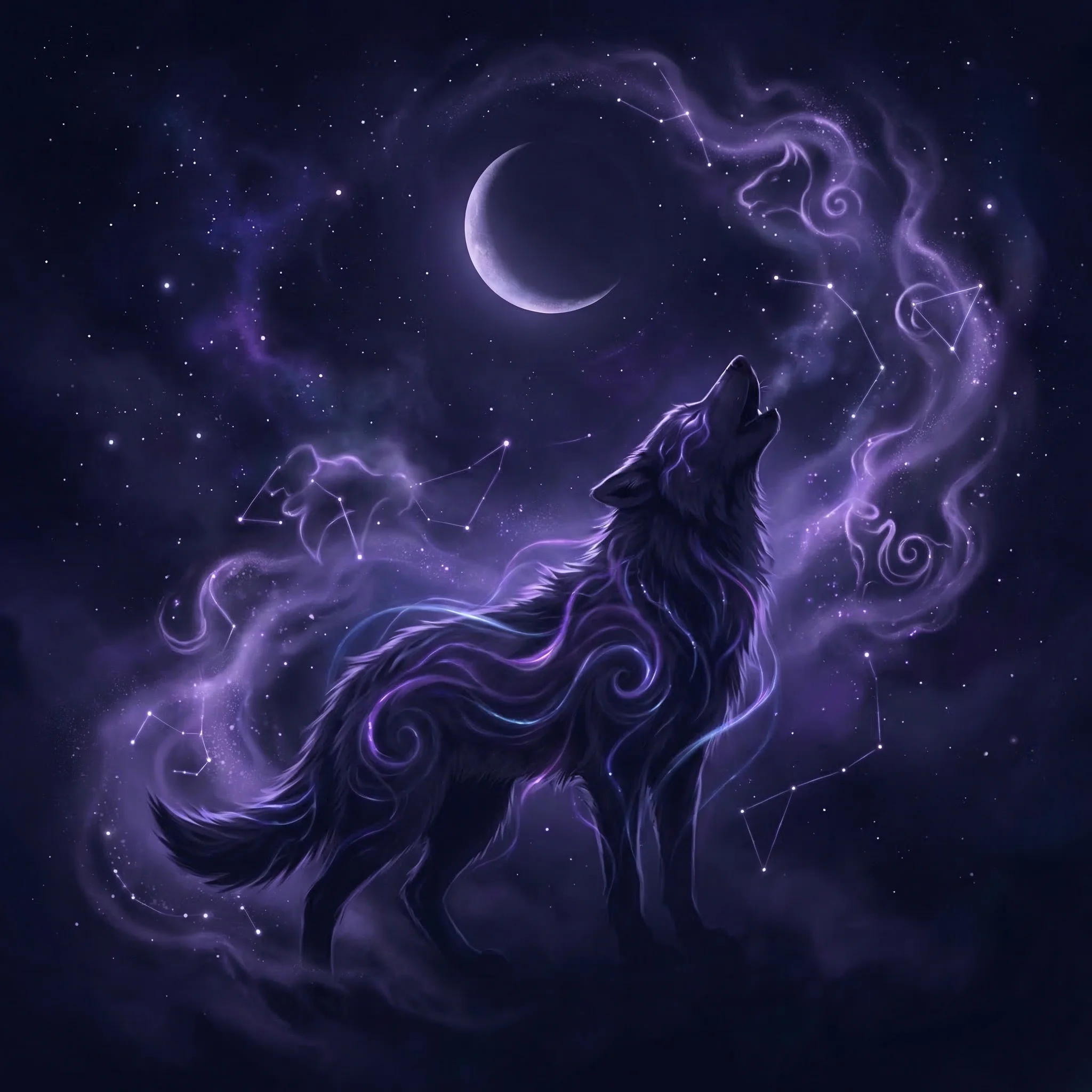
The Wolf
You're not lazy — you're running on a different clock than society expects
Is This Your Chronotype? Take the Free QuizUnderstanding The Wolf
You have spent your entire life hearing the same message: wake up earlier. Be more disciplined. Successful people get up at 5am. You've tried. You've set the alarm for 6am, bought sunrise lamps, downloaded morning routine apps, gone to bed at 10pm staring at the ceiling for two hours. Every attempt lasted a few days, maybe a week, before your body dragged you back to your natural rhythm — asleep after midnight, groggy and miserable before 9am, finally feeling human around noon. You assumed this was a character flaw. It is not. You are a Wolf, and your brain is genetically wired to operate on a delayed circadian schedule that society was not designed to accommodate.
The Wolf chronotype, representing approximately 15-20% of the population, has a delayed phase circadian rhythm. Your suprachiasmatic nucleus releases melatonin later than Lions and Bears, your core body temperature drops later, and your cortisol awakening response is sluggish and delayed. This means that the neurological conditions for deep, focused cognitive work simply do not exist in your brain before mid-morning. Forcing yourself awake at 6:30am is not willpower training — it is the biological equivalent of being yanked out of surgery mid-operation. Your brain is still completing critical sleep processes (particularly REM consolidation, which is disproportionately loaded into the final hours of Wolf sleep) when the alarm fires. The grogginess you feel is not laziness. It is sleep inertia compounded by incomplete sleep architecture, and it has measurable effects on memory, mood, impulse control, and metabolic function.
Where the Wolf comes alive is the evening. Between 7pm and 1am, your prefrontal cortex reaches its peak activation, your creative networks light up, and your capacity for deep, sustained focus exceeds what most other chronotypes can achieve at any point in their day. This is why Wolves are disproportionately represented among writers, musicians, programmers, designers, and entrepreneurs — not because creativity is a night-owl trait, but because the Wolf brain's best hours happen to fall when the world is quiet and interruption-free. The 8-week Wolf Protocol does not try to turn you into a Lion. That would be fighting your genetics. Instead, it teaches you to work with your delayed rhythm: gently shifting your edges where possible, protecting your peak hours fiercely, managing the morning transition with specific light and caffeine protocols, and building a life architecture that lets your Wolf brain do what it does best — on its own schedule.
Signs You Are a Wolf Chronotype
Naturally stays up past midnight and struggles to wake before 9am
Experiences a powerful creative and cognitive surge in the late evening
Morning brain fog persists for 1-2 hours after waking regardless of sleep duration
Feels most alive, social, and intellectually engaged after 6pm
Tends toward introversion, creativity, and unconventional thinking
Has been told their entire life that they are lazy, undisciplined, or a night owl by choice
Common Behaviors You Might Recognize
- 🐺Sets multiple alarms and still struggles to get out of bed, feeling genuinely disoriented until mid-morning
- 🐺Produces their best creative work between 9pm and 1am when the world is quiet
- 🐺Dreads early meetings and performs noticeably worse in morning interactions
- 🐺Comes alive at dinner parties and social gatherings that start after 8pm
- 🐺Lies in bed at 10pm feeling completely wired despite knowing the alarm is set for 6:30am
- 🐺Has tried dozens of "become a morning person" routines and abandoned every one within a week
Strengths
- Exceptional creative and divergent thinking — the chronotype most associated with artists, writers, and innovators
- The late-evening cognitive window is uniquely powerful for deep, uninterrupted focus
- High social intelligence and emotional depth, particularly in evening interactions
- When allowed to follow their natural rhythm, wolves achieve remarkable output and satisfaction
Challenges
- The modern 9-to-5 world is structurally hostile to the Wolf chronotype, creating chronic sleep debt
- Forced early waking produces a cortisol stress response that compounds daily
- Years of being labelled lazy or undisciplined create internalised shame that worsens sleep anxiety
- Morning obligations (school runs, early meetings, commutes) force Wolves into permanent circadian misalignment
The 8-Week Wolf Protocol
Chronotype Discovery — understanding the genetic basis of your late rhythm and releasing the guilt of not being a morning person
Light Exposure Protocol — strategic morning bright light to gently advance your clock, and blue-light management after 9pm to avoid pushing it even later
Optimal Schedule Design — protecting your evening creative window, front-loading low-stakes tasks to mornings, and negotiating flexible hours where possible
Evening Wind-Down — a wolf-specific routine that starts at 11pm (not 9pm) and uses body temperature manipulation to bring sleep onset forward
Caffeine & Nutrition Timing — the wolf caffeine strategy (noon-3pm only), why skipping breakfast backfires, and evening meals that support late-phase melatonin
Exercise & Movement — why wolves perform best with late-afternoon or early-evening workouts and how morning exercise can be adapted without cortisol spikes
Social & Work Alignment — scripts for communicating your chronotype to employers, partners, and family, and designing a schedule that respects your biology
Long-Term Maintenance — sustainable strategies for early-obligation days, shift recovery, and protecting your rhythm through seasons and life transitions
Not Sure If This Is Your Chronotype?
Take our free 2-minute quiz to discover your exact sleep chronotype and get a personalized 8-week program.
Take the Free Quiz